The Devya Kavacham (Armour of the Goddess) is a powerful hymn from the Markandeya Purana, recited as a prelude to the Durga Saptashati. It acts as a mystical shield, invoking various forms of the Divine Mother to protect every aspect of our physical and spiritual being.
Below is my ongoing study and commentary on these sacred verses.
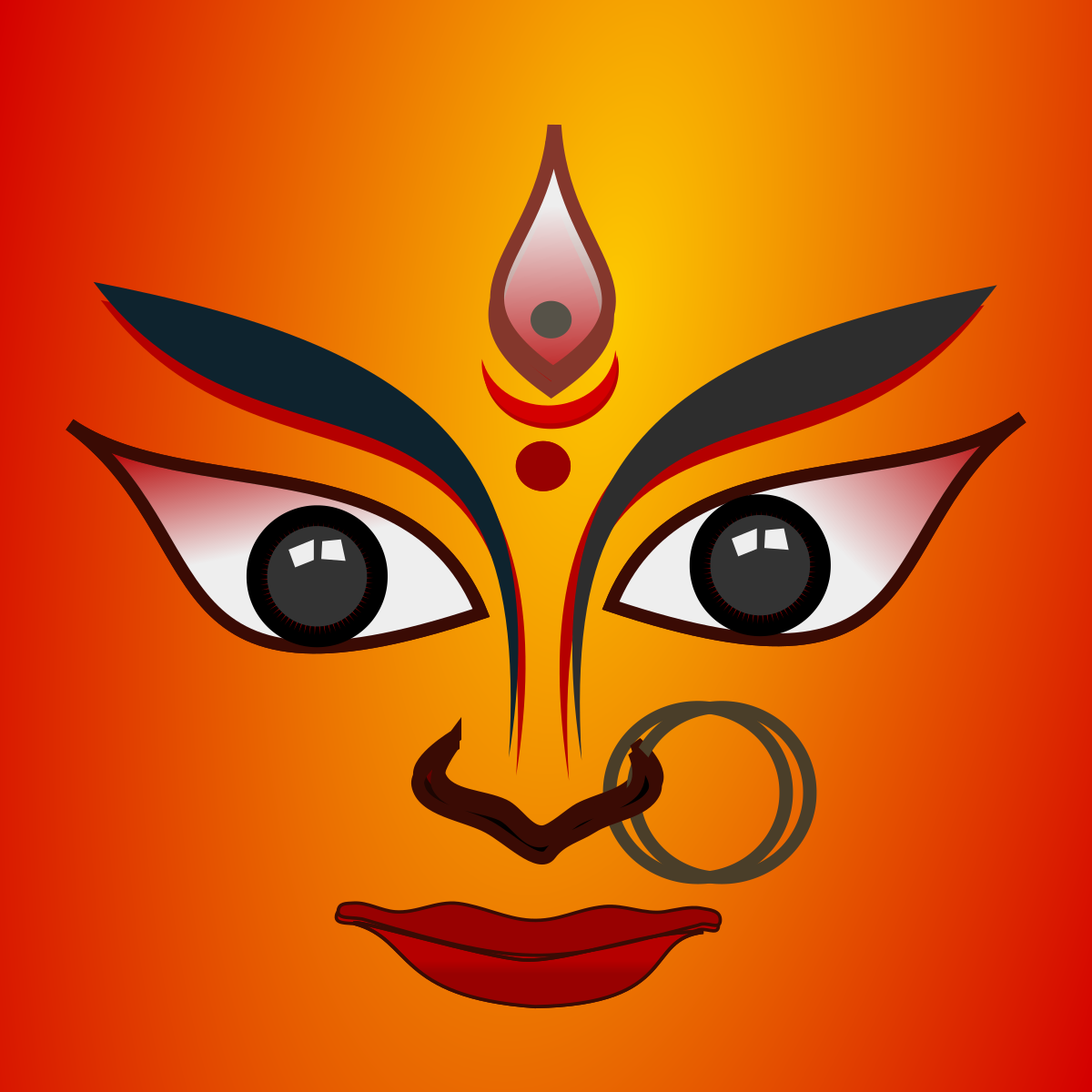
(Note: Here is an example of an SVG image being used!)
मार्कण्डेय उवाच ॐ यद्गुह्यं परमं लोके सर्वरक्षाकरं नृणाम्। यन्न कस्यचिदाख्यातं तन्मे ब्रूहि पितामह॥
Mārkaṇḍeya uvāca Om yadguhyaṃ paramaṃ loke sarvarakṣākaraṃ nṛṇām | Yanna kasyacidākhyātaṃ tanme brūhi pitāmaha ||
Meaning: Sage Markandeya said: O Grandsire (Brahma), please impart to me that which is the most supreme secret in this world, which provides protection to all human beings, and which you have never before revealed to anyone else.
Commentary
[Write your personal commentary here. For example: You can explore the significance of Markandeya asking this specific question. Why is the Kavacham considered a “secret”? It highlights that true spiritual protection isn’t just common knowledge, but a profound realization that requires a seeker’s active inquiry…]
ब्रह्मोवाच अस्ति गुह्यतमं विप्र सर्वभूतोपकारकम्। देव्यास्तु कवचं पुण्यं तच्छृणुष्व महामुने॥
Brahmovāca Asti guhyatamaṃ vipra sarvabhūtopakārakam | Devyāstu kavacaṃ puṇyaṃ tacchṛṇuṣva mahāmune ||
Meaning: Brahma said: O Brahmin, there is indeed a most secret and supreme protective armour (Kavacham) of the Goddess which is beneficial to all living beings. Listen to it, O great sage.
Commentary
[Write your personal commentary here. You might focus on Brahma’s response. Notice how the armour is described as beneficial to all beings (sarvabhūtopakārakam), showing the universal nature of the Divine Mother’s grace…]
प्रथमं शैलपुत्री च द्वितीयं ब्रह्मचारिणी। तृतीयं चन्द्रघण्टेति कूष्माण्डेति चतुर्थकम्॥
Prathamaṃ Śailaputrī ca dvitīyaṃ Brahmacāriṇī | Tṛtīyaṃ Candraghaṇṭeti Kūṣmāṇḍeti caturthakam ||
Meaning: First is Shailaputri, second is Brahmacharini, third is Chandraghanta, and the fourth is Kushmanda.
Commentary
[Write your commentary here. This is the beginning of the Navadurga enumeration. You can break down the meaning of each name (e.g., Shailaputri as the Daughter of the Mountain) and what psychological or spiritual stage each represents in a person’s life…]